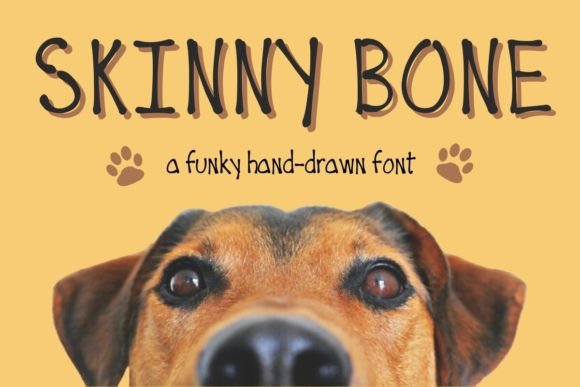
Skinny Bone: A Funky Font for Digital Marketing
Skinny Bone is more than just a hand-drawn font—it’s a creative tool that brings personality and energy to digital marketing. With its playful, uneven strokes and expressive character shapes, this script font adds a unique flair to any visual project. Whether you're designing social media posts, email campaigns, or website banners, Skinny Bone can elevate your brand's visual identity with its distinctive style.
As a script font, Skinny Bone stands out for its organic feel and dynamic contrast. The varying thickness of the lines gives it a handcrafted look, making it ideal for content that needs a personal touch. Its irregularities and subtle imperfections make it feel authentic, which is perfect for brands looking to build a connection with their audience through visual storytelling.
Skinny Bone in Social Media Graphics
On platforms like Instagram, Pinterest, and YouTube, first impressions matter. Skinny Bone can be used to create eye-catching headlines, captions, and callouts that stand out in fast-scrolling feeds. For example, a promotional post for a seasonal sale could feature a bold headline in Skinny Bone paired with a clean sans serif font for the details. This combination creates visual balance while maintaining a strong, memorable presence.
For YouTube thumbnails, using Skinny Bone in the title can draw attention and communicate the tone of the video. A tutorial on branding might use the font for the main title, while the subtitle remains in a simpler typeface for clarity. This approach ensures that the message is clear without sacrificing style.
Enhancing Brand Recognition with Skinny Bone
Consistency is key in building brand recognition. By incorporating Skinny Bone into your design assets—such as logos, banners, and email headers—you create a cohesive visual language that reinforces your brand’s identity. The font’s quirky nature helps differentiate your content from competitors, making your visuals more memorable.
When used in logo design, Skinny Bone adds a human element that feels approachable and creative. It works well for small businesses, startups, and brands targeting younger demographics who value authenticity and individuality. However, it’s important to consider the context—Skinny Bone may not be suitable for high-end or formal brand identities where a more structured typeface would be preferable.
Practical Applications for Digital Campaigns
Skinny Bone is particularly effective for short-form content such as headlines, callouts, and titles. It shines in promotional materials like sales announcements, product teasers, and inspirational quote graphics. For instance, a webinar banner could use the font for the event name, while the date and time remain in a more neutral typeface for readability.
In email marketing, Skinny Bone can be used in subject lines or header sections to grab attention. However, it’s essential to test how the font appears on mobile devices, as smaller screens require clear, legible text. When used in conjunction with a modern typography approach, Skinny Bone can add a creative edge without compromising usability.
Pairing Skinny Bone with Other Fonts
Font pairing is crucial for achieving visual harmony. Skinny Bone pairs well with clean, minimal fonts that provide contrast. A sans serif font like Helvetica or Montserrat can serve as a strong complement for body text, ensuring that the overall design remains professional and readable. For editorial designs, combining Skinny Bone with a serif font like Georgia or Times New Roman can create a balanced, sophisticated look.
When working on packaging design or web design, consider how the font interacts with other elements. Skinny Bone should enhance the layout rather than overwhelm it. Use it sparingly for maximum impact, especially in areas where visual hierarchy is important.
Using Skinny Bone for Audience Engagement
Audience perception is influenced by the visual elements of a campaign. Skinny Bone can help shape the tone of your messaging, making it ideal for campaigns that aim to be fun, energetic, or innovative. For example, a personal branding initiative for a lifestyle influencer could use the font in social media bios, profile pictures, or promotional content to reflect a creative and expressive personality.
During product launches or seasonal promotions, Skinny Bone can be used to create a sense of excitement and anticipation. A teaser graphic featuring the font in a bold, stylized way can generate interest and encourage clicks. The font’s unique characteristics make it perfect for creating a sense of urgency or exclusivity in promotional materials.
Key Considerations for Commercial Use
Before using Skinny Bone in commercial projects, it’s important to review the licensing terms. Depending on the license, the font may be suitable for ads, templates, client campaigns, merchandise, or digital products. Always ensure that you have the correct permissions to avoid legal issues.
For designers and marketers, understanding the practical applications of a font is just as important as its aesthetic appeal. Skinny Bone offers a versatile solution for those looking to add creativity and personality to their digital content. Whether you’re working on a social media campaign, a website redesign, or a branding project, this font can help you stand out in a crowded digital space.
By leveraging the strengths of Skinny Bone, you can create visually compelling content that resonates with your audience. Its unique style, combined with strategic use, makes it a valuable addition to any designer’s toolkit. From social media graphics to campaign visuals, this script font has the potential to transform your digital presence and drive engagement.